5 Tips for Protecting a New Paint Job After a Car Repair
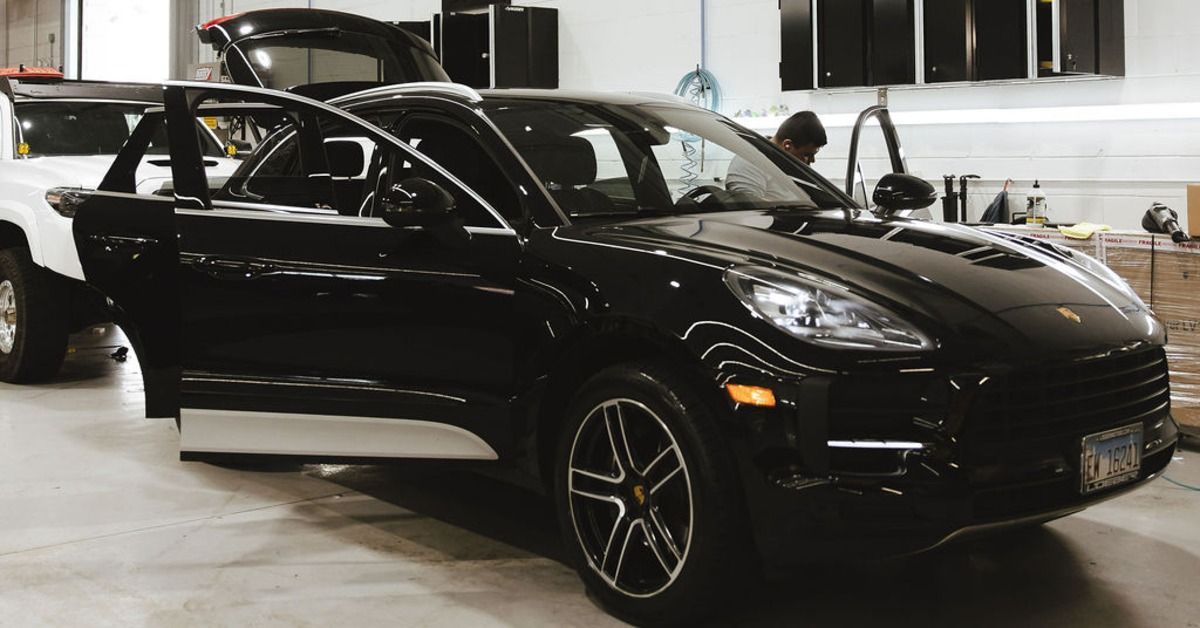
It’s always a good idea to get your car to a certified body shop for repairs after any sort of accident. After collision repair, your car’s new paint job is especially vulnerable. Ensure your fresh exterior paint lasts for the long haul by following our five tips for protecting a new paint job after a car repair. Knowing how to protect new car paint can help keep it looking fresh and clean for a lot longer and prevent a lot of unnecessary hassle for you in the long run.
Drive Cautiously
If you just received collision repair in Chicago, you should drive carefully afterward to protect your car’s components and new paint job. It takes some time for the paint to harden correctly. Therefore, it’s more vulnerable for the first few days. Stay off gravel roads if you can and do your best to avoid puddles, potholes, mud, and construction zones, which can kick up debris.
Wait, Then Wash
Your car’s new paint job is vulnerable at first, but that doesn’t mean you should immediately wash it. Your vehicle’s paint needs time to cure, which is why you should wait at least two weeks before washing it for the first time after a repair. Think of it as giving your car some more time to heal.
Use Proper Car Wash Materials
It’s also crucial that you stay cautious and use suitable materials when you wash your car. Skip the carwash; as convenient and fast as it may be, the high-pressure water and tough bristles can damage your vehicle’s paint in the long term.
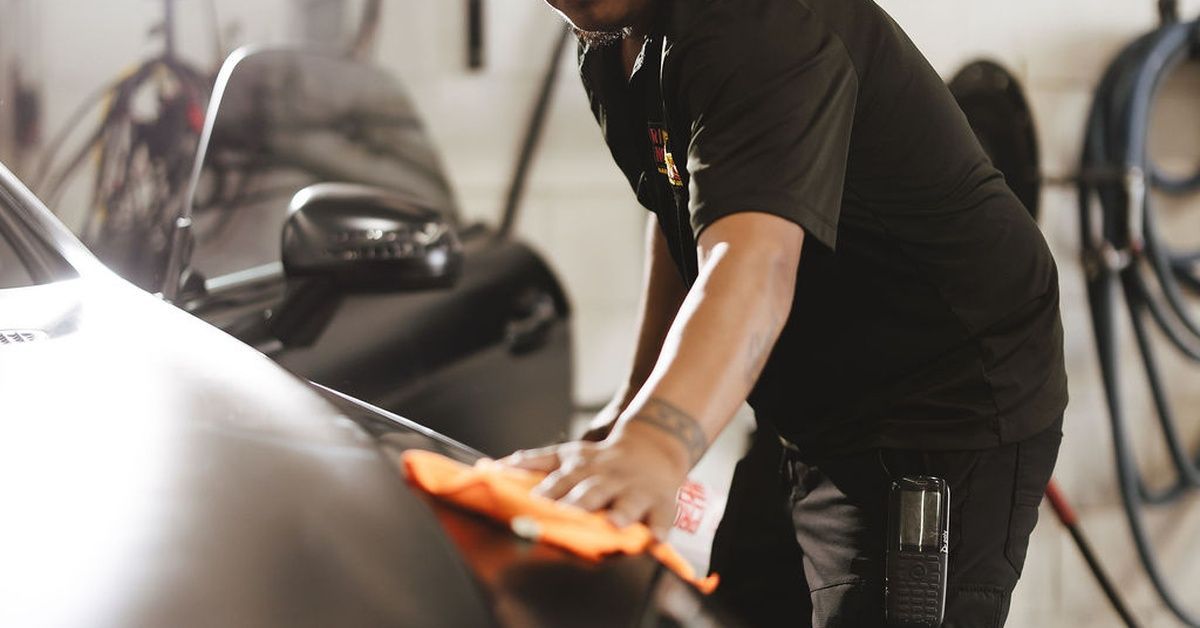
Instead of going to the drive-through carwash, handwash your car with car soap ( not dish soap) and a soft cloth or sponge. You want to be thorough, but you don’t want to be too rough on your paint.
Wait Before Waxing
Understanding how to protect new car paint is about knowing the value of timing and when it’s okay to put stuff on it. Just as you should wait to wash your car, you should also wait before waxing its exterior. Refrain from applying wax to your car’s new paint job for at least 60 days, as this will give it time to cure and harden. After that, you can wax your vehicle every 6 to 12 weeks to keep it protected and shiny for longer.
Seek Shade and Coverage
One of the primary reasons that paint jobs fade and crack is sun exposure. It may not be a big deal in the short term. But over time, the sun can wreak havoc on your car’s paint. So seek shade and coverings whenever you can.
Don’t park under trees, though, as tree sap can damage your car’s paint. Trees also attract birds, which tend to seek out cars when relieving themselves.
It’s crucial after a collision repair to take it easy with your car and let your paint job settle and harden. Follow our five tips for protecting a new paint job after a car repair, and your car’s exterior will look fresh and new for longer.